The Global Buyer’s Guide to Sourcing Premium Indonesian Tea & Coffee
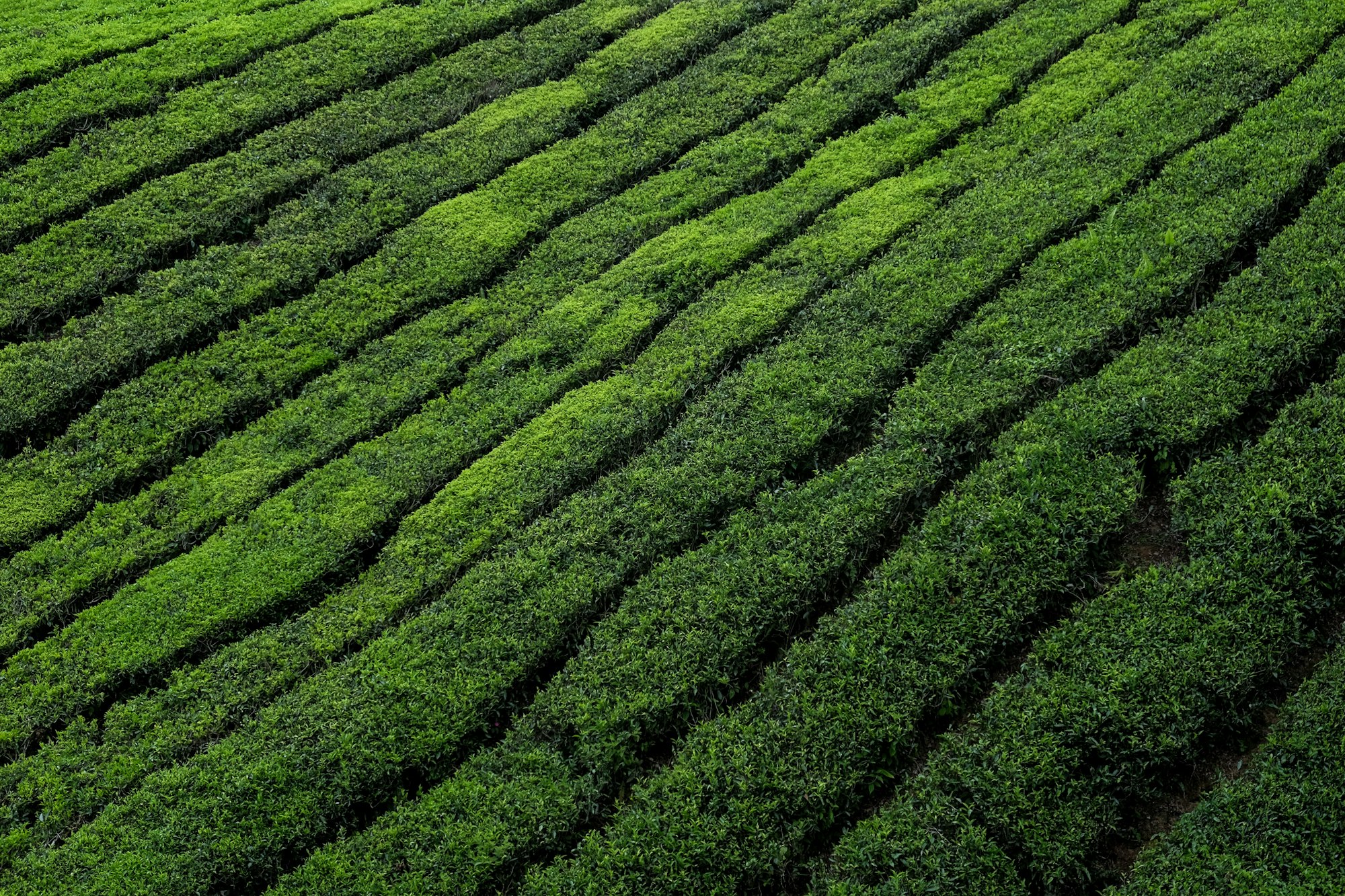
Indonesia has quietly supplied the world’s tea and coffee trade for over a century — yet for many importers, distributors, and private label buyers, sourcing directly from Indonesian producers still feels like an opaque process. Most buyers are used to working through generic trading houses that repackage commodity-grade product with little visibility into where it actually came from. This guide breaks down what global buyers actually need to evaluate when sourcing premium Indonesian tea and coffee, and how Alami by Mader, the export brand of PT Teras Rempah Nusantara, is built to meet those requirements.
Why Indonesia for Tea & Coffee Sourcing
Indonesia’s volcanic highlands, equatorial climate, and generations of heirloom cultivation give its tea, herbal botanicals, and coffee a flavor complexity that is difficult to replicate elsewhere. The archipelago’s growing regions sit across a range of altitudes and volcanic soil types, which is part of why Indonesian tea and coffee rarely taste “generic” the way mass-market commodity lots often do — terroir varies meaningfully from one growing region to the next, and heirloom cultivation practices have preserved that variation rather than breeding it out for yield alone.
Beyond terroir, Indonesian jamu traditions — centuries-old herbal wellness recipes passed down through families — offer global brands a genuinely differentiated product story that resonates with the growing wellness and functional-beverage category. Unlike a wellness blend assembled purely to chase a retail trend, jamu-rooted formulations carry a real cultural and botanical lineage, which matters increasingly to buyers building brand narratives their own customers can trust.
For buyers, this means access to categories that are hard to source at scale anywhere else: caffeine-free herbal tisanes, single-origin spiced coffee, and traditional blended teas, all with an authentic heritage narrative built in.
What Global Buyers Should Look For in a Supplier
Not every Indonesian supplier is export-ready. Before signing a contract, buyers should evaluate a potential partner against a few non-negotiables:
- Food safety certification. HACCP certification confirms that hazard analysis and critical control points are actively managed throughout production — essential for customs clearance and retailer onboarding in the EU, US, and Gulf markets. Ask specifically which stages of production the certification covers, not just whether a certificate exists.
- Halal compliance. Halal Indonesia registration is increasingly requested not only by Middle Eastern and Southeast Asian buyers, but by global retailers seeking to serve broader consumer bases without running a separate supply chain for one category.
- Traceability to source. Buyers should be able to trace a shipment back to the farming communities it came from, not just a generic “Product of Indonesia” label. A supplier who can name the region and the farming partnership behind a specific lot is a very different proposition from one who cannot.
- Export-ready packaging. High-barrier, moisture-resistant packaging that survives ocean freight and protects flavor is a frequent failure point with smaller producers. Ask to see the actual packaging specification, not just a product photo.
- Flexibility on private label and MOQs. Distributors and retailers need a partner who can accommodate private label formulations without requiring factory-scale minimums on day one, and who is transparent about how MOQs scale as a relationship grows.
- Responsive communication and realistic lead times. Export logistics rarely go perfectly to plan. A supplier who gives buyers an honest, specific lead-time estimate — and communicates promptly when something shifts — is a stronger long-term partner than one who only ever says “no problem.”
From Farm to Export-Ready Packaging
At Alami by Mader, sourcing starts with direct partnerships with Indonesian farming communities rather than commodity brokers. That distinction matters more than it might sound: buying through a broker usually means paying a markup for less visibility, not more, since brokers aggregate lots from multiple unnamed sources. Botanicals and tea leaves are selected using heirloom recipes refined over generations, then processed and packed in modern, eco-friendly, high-barrier packaging designed specifically to survive international shipping while preserving freshness.
In practice, that process runs through a few consistent stages: sourcing and selection at origin, where botanicals and leaves are graded against the heirloom recipe they’re destined for; processing — drying, roasting, or blending depending on the product; quality checks before packing; and finally packing itself, done in facilities operating under active HACCP and Halal oversight rather than as a separate, bolted-on compliance step. Every batch is produced under HACCP-certified, Halal-registered conditions, giving buyers documentation they can hand directly to their own compliance and customs teams.
What’s Available for Import
Global buyers typically source from Alami by Mader across three categories:
- Premium Tisane Collection — caffeine-free herbal infusions formulated from selected Indonesian botanicals, positioned for the functional wellness and daily-ritual beverage segment. This is usually the category buyers are least able to source elsewhere at scale, which makes it a strong category-differentiator for retail and HORECA programs alike.
- Heirloom teas — classic and specialty Indonesian tea blends built on traditional recipes, packaged for retail and HORECA use, with formats suited to both loose-leaf and single-serve presentation.
- Indonesian spiced coffee — single-origin and spice-infused coffee reflecting regional Indonesian brewing traditions, for buyers looking to add a distinctive origin story to a coffee program rather than another generic single-origin SKU.
The full range is detailed on our Indonesian herbal tea wholesale catalog, with formats suited to retail shelf, HORECA service, and private label reformulation.
Private Label & HORECA Partnerships
Many of our buyers don’t want an off-the-shelf product — they want their own brand on export-ready Indonesian tea and coffee. We work with distributors and retailers to adapt existing formulations, packaging formats, and case configurations to private label specifications, and support HORECA buyers with bulk formats suited to hospitality service.
A typical private label conversation starts with an existing formulation as the base — a blend or roast already in the range — rather than developing something from a blank page, which meaningfully shortens the path from first inquiry to a finished product a buyer can put in front of their own customers. From there, packaging format, case pack size, and labeling are adjusted to the buyer’s specification, with samples produced for approval before any production run is confirmed. Because sourcing runs directly through our own supply chain, private label buyers get the same certification and traceability standards as our own branded line — not a separate, lower-documentation process for white-label product.
Sustainability as a Sourcing Criterion
Increasingly, buyers evaluate suppliers on sustainability credentials as closely as on price. Our sourcing model is built around fair, ethical partnerships with the farming communities we work with — supporting sustainable agricultural practices and fair trade principles rather than extractive commodity purchasing that treats farming communities as an interchangeable input. That approach is also what makes traceability possible in the first place: a supply chain built on direct, ongoing relationships with specific farming communities can document where a batch came from in a way a commodity-broker supply chain generally cannot.
Buyers building ESG-conscious private label or retail programs can read more about this approach on our HACCP certified herbal tea supplier.
Common Questions from First-Time Buyers
Do you offer samples before a purchase order? Yes — our export team can arrange samples of the formulation, and where relevant the packaging, before you commit to a production run.
Can MOQs scale as the relationship grows? Most buyers start smaller than a factory-scale minimum and scale volume as demand is proven, rather than being asked to commit to a large first order.
What documentation should I expect with a shipment? Current HACCP and Halal certification, plus batch-level traceability documentation your own customs and compliance teams can use directly.
Start a Sourcing Conversation
Whether you’re an importer evaluating a new supplier, a distributor building out a tea and coffee category, or a retailer exploring private label, our export team can walk you through certifications, sample requests, MOQs, and lead times. Visit our herbal tea bulk supplier page for global buyers or contact us directly to request samples and pricing.