Private Label Tea & Coffee: A Step-by-Step Guide for Brands and Retailers
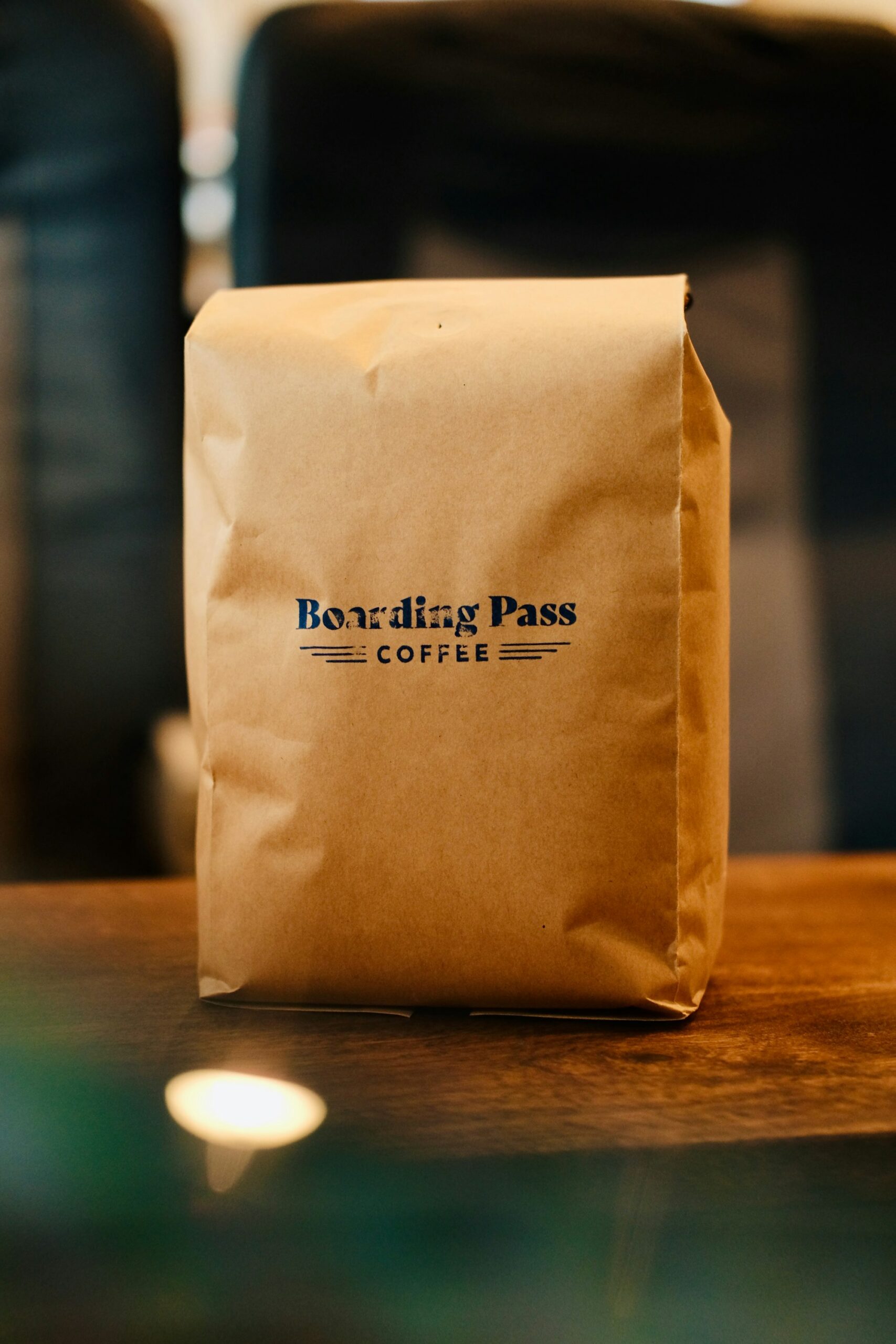
Launching a private label tea or coffee line means putting your own brand on someone else’s supply chain — which only works if that supply chain is reliable, certified, and flexible enough to work at your scale. Working with the right private label tea and coffee manufacturer is what determines whether that bet pays off. This guide walks through the five steps of building a private label program, from choosing a base formulation to getting product on shelf.
Why Private Label Is Growing in Tea & Coffee Retail
Retailers and hospitality groups increasingly want category ownership, not just a stocked SKU from someone else’s brand. Private label tea and coffee lets a retailer control pricing, differentiate on formulation or origin story, and build margin that a resold third-party brand can’t offer. Industry bodies such as the Private Label Manufacturers Association (PLMA) have tracked private label’s steady share gains across grocery and specialty food categories for years — tea and coffee are no exception. The barrier used to be minimum order quantities and a lack of transparency into where the product actually comes from — both of which a direct, export-ready supplier can remove.
Private Label vs. White Label vs. Co-Packing: Which Model Fits?
These three terms get used interchangeably, but they describe different arrangements:
- Private label — a formulation developed or adapted specifically for one buyer’s brand, sold exclusively to them. This is what most tea and coffee retail programs mean by “private label.”
- White label — an identical, unmodified product sold under multiple different brands, with only the label changing. Faster and cheaper, but offers no formulation differentiation between competitors buying the same base product.
- Co-packing — a manufacturer packs product to a buyer’s own recipe and specification, sometimes with ingredients the buyer supplies. This gives the most control but requires the buyer to bring a finished formulation to the table.
Most buyers starting out want private label: enough differentiation to own the category, without needing to arrive with a finished recipe.
Step 1: Choose Your Base Formulation
Most private label programs start from an existing formulation — a classic Indonesian tea blend, a spiced coffee, or a caffeine-free herbal tisane from the Indonesian herbal tea wholesale range — and adjust from there. Starting from a proven base shortens development time significantly compared to formulating from scratch, while still leaving room to adjust blend ratios, botanicals, or roast profile to fit your brand positioning. Ask your supplier which formulations already have export documentation and production history — those carry less first-run risk than a completely new recipe.
Step 2: Customize Packaging and Branding
Export-ready packaging needs to do two jobs at once: protect the product through international shipping and carry your brand at retail. High-barrier, moisture-resistant materials are non-negotiable for anything crossing an ocean; within that constraint, formats, sizes, and finishes can be adapted to your brand’s packaging system rather than forcing you into a generic supplier format. Decide early whether you need custom-printed pouches or boxes (longer lead time, stronger shelf presence) or a stock format with a private label sticker or sleeve (faster to launch, useful for testing demand before a bigger packaging investment).
Step 3: Confirm MOQs and Production Timeline
This is where many private label conversations stall — a supplier quoting factory-scale minimums before a brand has proven demand. Ask for MOQs by SKU, not a blanket factory minimum, and get a written production timeline (typically raw material sourcing, blending/roasting, packing, and QC) before committing to a launch date. It’s also worth asking how MOQs change on a second order — a supplier willing to start small and scale with you is a very different long-term partner than one who only offers one large minimum.
Step 4: Certification and Compliance Documentation
Private label product needs the same certification trail as any branded import: HACCP and Halal documentation, a Certificate of Analysis, and traceability to origin. A supplier who can’t produce this per batch will leave you exposed at customs or in a retailer compliance review, regardless of how the packaging looks. See our HACCP and Halal certification guide for exactly what documentation to request and why it matters.
Step 5: Sampling and Approval
Request physical samples of both the formulation and the final packaging before confirming a production run — not a photo, an actual sample you can taste, brew, and inspect. Build in at least one revision round; formulation and packaging rarely land exactly right on the first pass. Confirm in writing what happens if a sample doesn’t meet your standard — a reformulation cycle should be part of the agreement, not a surprise renegotiation.
How Alami by Mader Supports Private Label Partners
We work directly with distributors and retailers to adapt existing tea, coffee, and tisane formulations to private label specifications — including packaging formats, case configurations, and labeling — without requiring factory-scale minimums on day one. Because private label runs through the same supply chain as our own branded line, partners get identical HACCP-certified, Halal-registered documentation and traceability standards. For the full picture of how our sourcing and certification model works, see our Global Buyer’s Guide to Sourcing Indonesian Tea & Coffee, or learn more about our production on the herbal tea manufacturer Indonesia page.
Quick Questions on Private Label Tea & Coffee
What’s the difference between private label and white label? Private label is formulated or adapted specifically for your brand; white label is an identical product sold under multiple brands with only the label changed.
How long does a private label launch typically take? It depends on formulation and packaging complexity, but starting from an existing base formulation and a stock packaging format is significantly faster than developing both from scratch — ask your supplier for a written timeline broken down by stage.
Do I need a finished recipe to start a private label conversation? No — most private label programs start from an existing supplier formulation that gets adjusted to your specification, not a recipe you bring yourself.
Start Your Private Label Program
Whether you’re a retailer exploring your first private label SKU or a distributor scaling an existing line, our export team can walk you through formulation options, MOQs, and timelines. Visit our herbal tea bulk supplier page for global buyers or contact us directly to request samples.